Q&A with Relationship Coach, Heather Melville on: Healing From Toxic Relationships
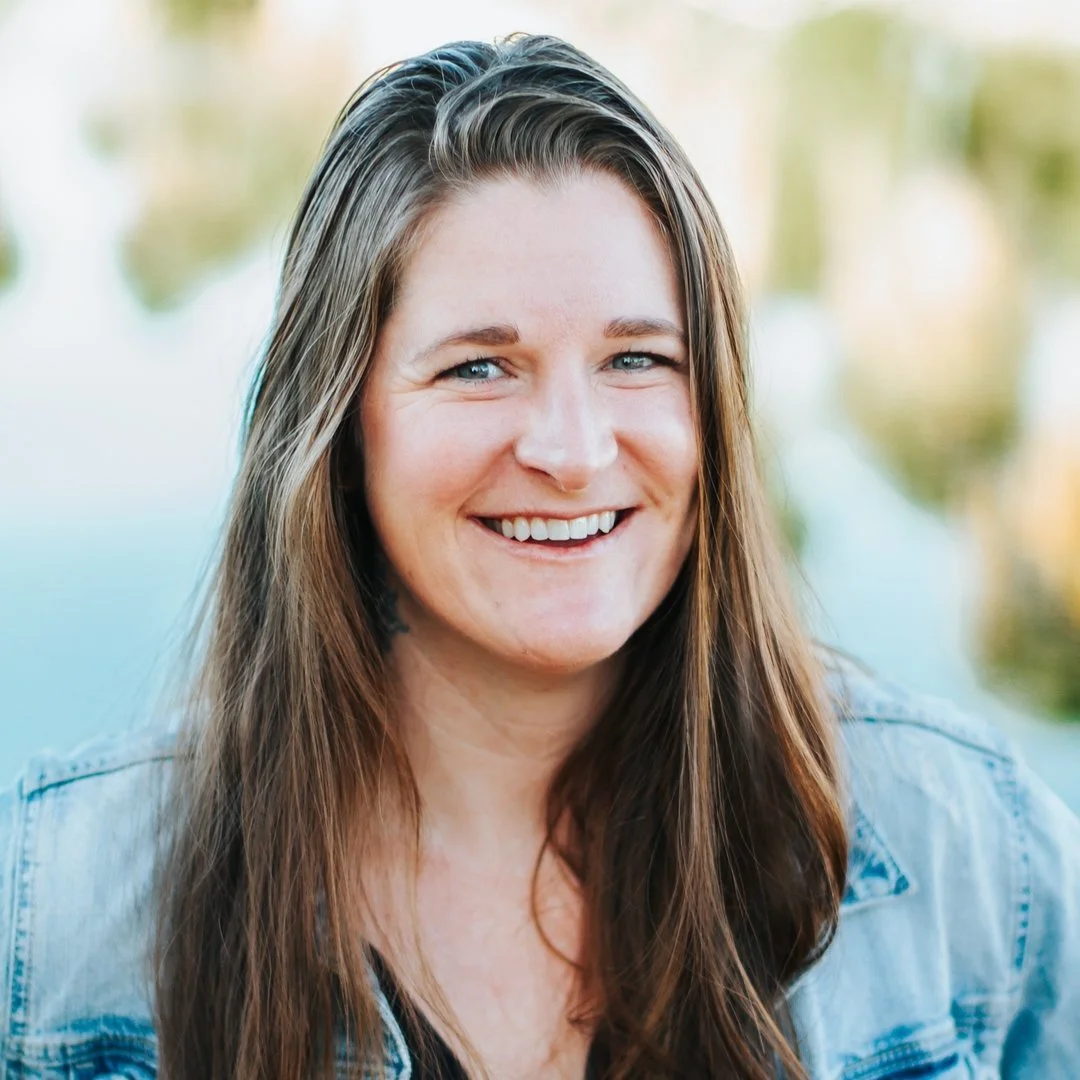
Join me for this powerful, inspiring Q&A session with Relationship & Life Coach, Heather Melville, as she shares her own personal journey out of abuse and toxicity and now helps her clients move through their own path. She is an expert on finding her way back to self-love, clarity, boundaries, and healthy relationships.
Grab a pen and paper because you are going to want to take notes!
Heather, your mission centers on helping women heal from past relationships and rediscover self-love. Can you share what inspired you to focus on this area of coaching?
The inspiration comes directly from my own healing journey. I spent eight years in a toxic, abusive relationship—one that, in today’s language, would absolutely be described as narcissistic. I use the word narcissistic not to blame, excuse behaviors, or paint myself as a powerless victim, but as a signpost. It helps describe the patterns, the damage, and, importantly, the dynamics I brought into the relationship that made me vulnerable to it and kept me there for so long.
As I reflected on what I’d been through and what I needed to heal, I started recognizing those same patterns in other women. I could see the need for understanding, compassion, validation, and awareness—because without it, so many of us repeat the cycle. That was one of my biggest fears for myself, and it’s something I want to help others avoid.
Ultimately, I feel called to share the insights and lessons I gained through my own healing so that women don’t feel alone or “crazy,” or like they’re broken, messed up, or unfixable. I want to show them what a truly healthy, supportive, and loving relationship can look and feel like—both with themselves and with others.
On your website, you mention transforming heartbreak into breakthroughs. How do you guide clients through this process, and what does it look like in practice?
I meet my clients exactly where they are—whether they’ve just left a toxic relationship, have already begun their healing journey, have done deeper inner work, or are ready to date again but afraid of repeating old patterns. My approach guides them through four stages that combine reflection, simple mindset shifts, and practical, sustainable strategies tailored to each individual. The goal is to help them understand their past patterns and create healthier ones for their future.
1. Healing & Awareness
We begin by processing past relationships—fully acknowledging the emotions, understanding what happened, and releasing the tension that those memories still hold. We explore the patterns that showed up in previous relationships, the lessons they can take from them, the red flags and dealbreakers they can now recognize in hindsight, and healthier coping mechanisms to use when triggering emotions arise.
2. Building Self-Love & Confidence
After a toxic relationship, self-love is often nonexistent, and confidence and self-trust are severely shaken. In this stage, we work on rebuilding both. We explore what healthy self-love actually looks like (something many clients have never seen modeled), and we find personalized techniques to help them strengthen their self-esteem, trust their intuition, and feel more confident in their choices and capabilities.
3. Clarity of Goals & Future Vision
Here, we focus on what they truly want moving forward. What does a healthy relationship look like to them now that they’re becoming an example of healthy love for themselves? What qualities do they value in a partner—and in themselves? This stage is also about reconnecting with who they are: the hobbies they abandoned, the dreams they tucked away, the goals they suppressed to avoid outshining an insecure partner. Having a clear direction helps them recognize their progress and stay motivated by seeing where they’ve come from and where they’re headed.
4. Enhancing Relationship Skills
Finally, we build the skills needed to create and maintain healthy connections. If we don’t change how we show up in relationships, we can’t expect our relationships to change. We develop tools like conflict resolution, emotional awareness, active listening, and understanding non-verbal cues—which also helps them recognize red flags more quickly. We also work on healthy boundaries, dating with intention in this ever-changing dating world, and continuing personal growth so they’re prepared for healthier, more fulfilling relationships ahead.
Building self-love and confidence is a cornerstone of your approach. What are some common barriers clients face in this area, and how do you help them overcome them?
When someone is struggling with low self-love and confidence, even the simplest decisions can feel overwhelming. Many of my clients believe they’re not worthy of good things, struggle to trust themselves, and feel completely disconnected from their own needs, vision, or purpose. When you don’t feel deserving—and you don’t extend love or compassion to yourself—it becomes easy to let life or other people steer your path.
A big part of healing is rebuilding the ability to make decisions and take ownership of them. As clients begin making choices for themselves and learn they can handle the outcomes, their confidence naturally grows. With each small win, the fog of self-judgment and self-doubt starts to lift. They begin collecting evidence of their strength, resilience, and capacity to become better—and this gradually shifts into self-appreciation and self-acceptance.
From there, we work on embracing all parts of themselves: the pieces they cannot change, the experiences that shaped them, and the qualities that make them unique. This deeper acceptance helps them see that they are responsible for their feelings, actions, and results—and because of that, they’re capable of shaping a life that aligns with who they want to be.
We also build rituals and practices that reinforce self-love in tangible ways. These include simple acts of self-care, moments of joy, habits that make them feel supported, and behaviors that reflect appreciation for themselves. Over time, these practices help them feel more grounded, valued, and connected to who they truly are.
Your services emphasize clarity of goals and values. How do you assist clients in defining their ideal relationships and establishing boundaries that align with their values?
Everything comes back to how someone wants to feel in a relationship. When clients understand the feelings they want to experience—safe, seen, respected, valued—that clarity naturally reveals the patterns, behaviors, and qualities they should be looking for in an ideal partner. We explore what healthy communication, emotional safety, consistency, and mutual respect actually look and feel like so they can identify those traits in real life, not just in theory.
When it comes to boundaries, I teach clients what boundaries truly are and the difference between internal and external boundaries. Most people focus only on the external ones—around time, energy, physical space—but the real transformation happens with internal boundaries.
Internal boundaries are the limits we set within ourselves around our thoughts, emotions, opinions, needs, and behaviors. I often describe them like a fence with a gate, where you are the guard. You decide what influences are allowed in, what gets to affect your inner world, and what doesn’t.
This is the area so many clients have never been encouraged to strengthen, which is why they end up absorbing other people’s emotions, opinions, or expectations. Once their internal boundaries are clear and reinforced, external boundaries become far easier to set and maintain—around their time, energy, body, priorities, and personal space. With this combination of emotional clarity and grounded boundaries, they’re able to define—and confidently uphold—the kind of relationship that truly aligns with their values.
In your experience, what are some of the most common patterns or behaviors that hinder individuals from forming healthy relationships, and how do you address them in your coaching?
All of the patterns I see stem from low self-worth. When someone believes they’re unworthy of healthy love, they often settle for far less than they deserve. Low self-worth creates deeply rooted negative beliefs about themselves, and those beliefs become the lens they use to choose partners. If someone shows them genuine care, respect, or admiration, or thinks they "sh** rainbows!", it can actually feel unsafe or suspicious—because it contradicts the story they’ve been told or have told themselves for years.
That’s why many people unconsciously gravitate toward partners who reinforce their negative self-image. It’s not what they want, but it feels familiar, and therefore “true,” even when it’s unhealthy. Low self-worth also fuels people-pleasing, which is often the entry point into toxic or narcissistic relationships. When someone believes love must be earned through overgiving, over-performing, or self-sacrificing, they lose touch with their own needs, boundaries, and identity. They prioritize others’ happiness at the expense of their own authenticity, making them vulnerable to partners who take advantage of that dynamic.
Another pattern is codependency—focusing on fixing or saving others instead of addressing their own wounds. This can stem from the belief that their needs don’t matter, or from a fear of looking inward because they worry they’ll confirm the negative beliefs they already hold about themselves. Becoming a “rescuer” becomes a way to avoid confronting their own pain or feelings of inadequacy.
In coaching, I address all of these patterns by helping clients rebuild their sense of self-worth from the inside out. We focus on understanding where these patterns came from, interrupting the beliefs that perpetuate them, and replacing them with healthier internal boundaries, self-trust, and self-respect. As they grow stronger internally, their external relationships begin to reflect that strength. They start choosing partners—and creating connections—from a place of worthiness rather than fear, scarcity, or survival.
Testimonials on your website highlight your authentic and supportive coaching style. How would you describe your coaching philosophy, and what can clients expect from working with you?
My coaching philosophy is rooted in the belief that I am simply a guide—someone who helps illuminate the truth, wisdom, and solutions my clients already carry within them. I don’t see myself as the expert on their lives; they are. My role is to create a compassionate, nonjudgmental space and offer a bird’s-eye perspective so the answers they’ve been struggling to find can rise to the surface.
Every client knows their own experiences, patterns, fears, and desires better than I ever could—but often that truth gets buried under shame, pain, denial, or the mental fog that comes from years of toxic dynamics. I help them clear that fog. I help them reconnect with the parts of themselves that already know what they need. And I deeply believe that every woman I work with is capable of giving and receiving the love she wants and deserves; sometimes she just needs support getting out of her own way to see it.
Clients can expect honesty from me, always. I share insights from my own healing journey, as well as the research and tools I continue to study. They can also expect authenticity—I show up as myself, which often means being light-hearted, warm, and a little goofy. Creating a space where clients can exhale, relax, and not take their healing so seriously all the time is part of what allows the deeper work to unfold.
You offer various resources, including worksheets and live sessions. How do these tools complement your one-on-one coaching, and how can they benefit clients seeking additional support?
I can’t be with my clients every day, and our one-on-one sessions often need to focus on whatever is most pressing in that moment. That means we sometimes don’t have time to cover every insight, tool, or lesson that could support their healing. My worksheets and live sessions fill in those gaps—they keep the learning, reflection, and growth going between sessions.
I also strongly believe that healing isn’t just about what you put into your body, but what you consume mentally and emotionally. If someone is constantly surrounded by negativity—on social media, in the news, at work—it can slow or even derail their progress. These resources help clients intentionally surround themselves with uplifting, empowering, growth-focused content that reinforces the work we do together.
These tools also allow me to meet women exactly where they are. Sometimes a worksheet is the perfect starting point—something small, manageable, and accessible that plants a seed and helps them begin shifting their awareness. The live sessions give clients a chance to connect with me in real time, experience my coaching style, and start building trust before they take the next step into deeper one-on-one work.
Together, these resources support clients at every stage of their journey, offering guidance, structure, and encouragement exactly when they need it.
Finally, for someone feeling stuck or uncertain about seeking coaching, what would be your first piece of advice to help them take that initial step toward healing and growth?
I would first invite them to gently explore that feeling of being stuck or uncertain. What thought comes right before that feeling? That awareness alone can reveal so much about what’s holding them back. Is it a belief that they’re not worthy of a better life? A fear of being hurt or taken advantage of again? A worry that they’re too broken to change? Naming the thought helps loosen its grip.
From there, I encourage them to visit the resources page on my website. Start small and at their own pace: take a quiz for some immediate clarity, try the Dream Again worksheet to see if it sparks something, or choose a book from my recommended reading list—titles that deeply supported me in my own healing.
These tools offer a gentler entry point than jumping straight into a coaching relationship. They give people space to explore, gain insight, and build confidence without pressure. As they engage with those resources, they often begin to feel a little less stuck and a little more hopeful. They start to see the path ahead more clearly—and from there, the next step becomes easier to recognize, whether it’s joining a live session, working with me one-on-one, or continuing their healing journey independently with a newfound sense of empowerment.
Thank you SO much, Heather!
〰️
Thank you SO much, Heather! 〰️
TO LEARN MORE AND TO FOLLOW/SUBSCRIBE TO HEATHER’S AMAZING CONTENT, CHECK OUT THE LINKS BELOW!